
Luck's influence in gambling is it the real game-changer
The Nature of Luck in Gambling
Luck plays a fundamental role in gambling, where chance dictates the outcome of many games. From rolling dice to drawing cards, players often attribute their wins and losses to luck. This randomness is central to the appeal of gambling, as it creates a sense of suspense and excitement. Individuals gamble not only for the thrill but also for the hope that fortune will favor them at any moment, which is evident in everything seen at https://sydspin-australia.com/, showcasing the unpredictable nature of luck.
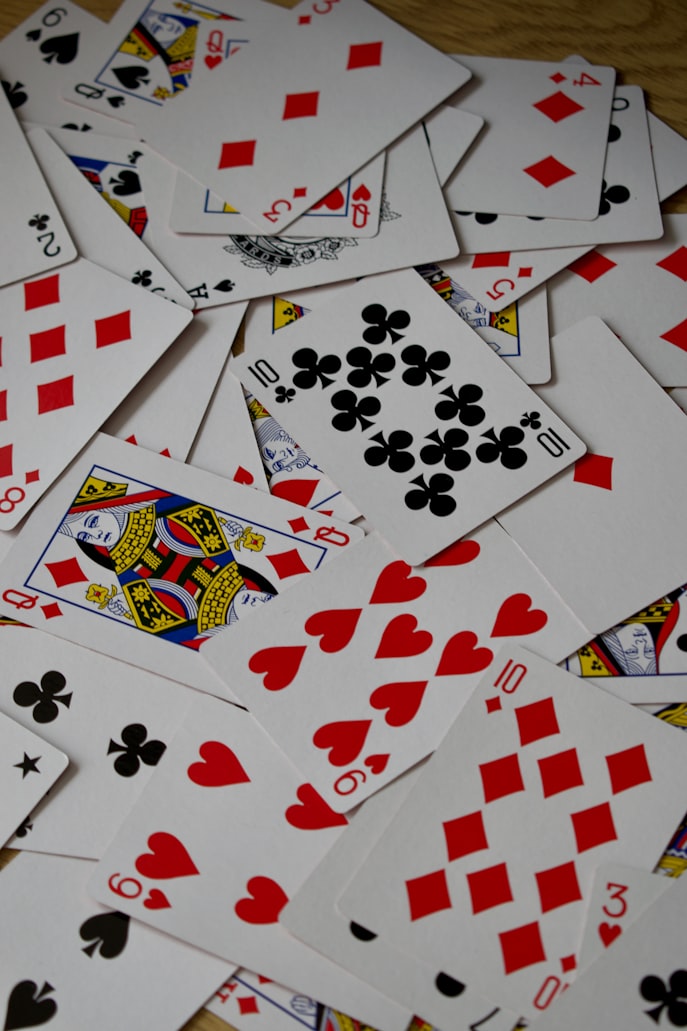
Understanding luck in gambling requires a deeper exploration into its psychological implications. Many players believe that luck can be influenced or cultivated through rituals, superstitions, or personal strategies. This belief often leads gamblers to develop habits or routines that they think will increase their chances of winning. However, while these practices can enhance the emotional experience of gambling, they do not fundamentally alter the inherent randomness of the games involved.
The perception of luck also varies significantly among individuals. Some see themselves as «lucky» or «unlucky» based on their experiences. This belief can shape their gambling behavior and choices, affecting their willingness to place bets or take risks. Ultimately, while luck is an integral element in gambling, its subjective nature makes it both a fascinating and complex factor in the overall gambling experience.
The Psychology Behind Gambling
The psychology of gambling reveals how deeply intertwined luck is with human behavior. Cognitive biases, such as the illusion of control, lead players to believe they can influence outcomes through their choices. For instance, a gambler might feel that choosing a specific slot machine or playing a certain number will lead to better results. This mindset reinforces their connection to luck, even if the games are purely based on chance.
Moreover, emotional responses during gambling significantly affect how individuals perceive luck. Winning can create a euphoric high, further convincing players that their luck is favorable. Conversely, losing streaks can result in frustration and despair, leading to a cycle of chasing losses. The psychological rollercoaster that gambling provides is inextricably linked to the belief in luck, making it both a thrilling and potentially harmful activity.
The interplay between luck and psychological factors also extends to social dynamics. Gamblers often share stories of their «lucky» moments, reinforcing community beliefs and rituals. These narratives can enhance the communal experience of gambling, where luck is celebrated collectively. As a result, understanding the psychology of gambling can provide insight into how individuals navigate their perceptions of luck, shaping their overall gambling behavior.
The Impact of Luck on Gambling Strategies
Many gamblers develop strategies based on their perceptions of luck, even when statistically, these strategies may not be effective. For example, some players might choose to follow patterns or betting systems that promise better returns. These strategies often stem from a belief that luck can be harnessed or exploited through specific approaches, despite the fundamental randomness of gambling games. This quest for a «lucky» strategy can be both a motivator and a source of disappointment.
The reliance on luck can also lead to riskier gambling behavior. Players may chase losses or increase their bets in hopes of a lucky turn of events. Such behavior highlights a common issue where the desire for a fortunate outcome overrides rational decision-making. Understanding this tendency is crucial, as it can lead to financial difficulties or gambling addiction, showcasing the darker side of luck’s influence.
Furthermore, the role of luck can vary across different types of gambling activities. In games of skill, like poker, the influence of luck is balanced by player skill and strategy. However, in games purely based on chance, like roulette or slot machines, luck reigns supreme. This differentiation is essential for gamblers to understand, as it underscores the limitations of luck as a strategy in various contexts of gambling.
The Cultural Perception of Luck in Gambling
Luck has been celebrated and ritualized in various cultures throughout history. From lucky charms to specific colors deemed favorable, cultural beliefs often shape how individuals approach gambling. In many societies, particular symbols or actions are thought to attract good fortune, influencing gambling behavior and strategies. This cultural backdrop adds an additional layer to the understanding of luck in the gambling landscape.
In addition, tales of legendary gamblers and their perceived lucky streaks can elevate the allure of gambling within cultures. These narratives create a mythos around luck, enticing new players to join the fray in hopes of replicating those experiences. However, the reality often diverges from these romanticized stories, emphasizing the need for a grounded understanding of luck in gambling.
Moreover, the globalization of gambling has introduced various cultural beliefs about luck into new contexts. As gambling continues to grow worldwide, so do the diverse interpretations of luck. This blending of traditions can influence gambling habits, revealing how deeply embedded cultural perspectives about luck are within the realm of gambling practices.
Exploring the Role of Our Website in Understanding Gambling
Our website serves as a comprehensive resource for those interested in the intricate relationship between luck and gambling. We aim to provide insightful articles, expert analyses, and engaging discussions that help individuals navigate their gambling experiences with a clearer understanding of luck’s role. By exploring various perspectives, we encourage informed decision-making and promote responsible gambling practices.
Moreover, we facilitate a community where enthusiasts can share their experiences and insights about luck and gambling. By fostering a supportive environment, our platform allows users to discuss strategies, share stories, and explore psychological dimensions related to gambling. We believe that by creating this dialogue, we can demystify some of the complexities surrounding luck in gambling.
Ultimately, our mission is to empower individuals with knowledge and resources that can enhance their gambling experiences. Through understanding the influence of luck, psychology, and culture, we strive to help users make informed choices, ensuring that their approach to gambling is both enjoyable and responsible. Join us in exploring the multifaceted world of gambling and the undeniable impact of luck within it.